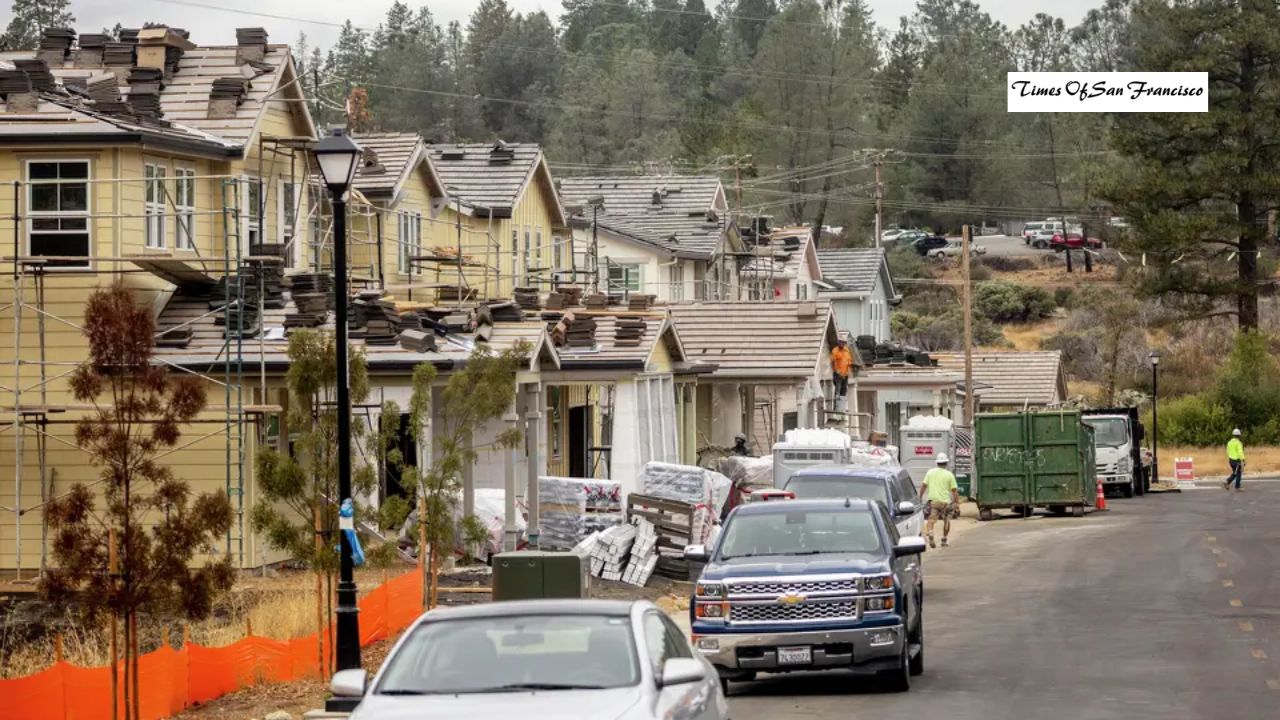
Zillow, the largest real estate marketplace in the United States, has quietly removed climate risk scores from its home listings. These scores, created by First Street Foundation, showed the chances of a property facing wildfire, flooding, heat, wind or poor air quality over the next 30 years.
The decision is already creating big conversations in the real estate world — especially in California, where climate-related risks are becoming a major concern for homeowners and buyers.
Why Zillow Removed Climate Risk Scores
The change began after the California Regional Multiple Listing Service (CRMLS), one of the largest listing databases in the country, raised serious concerns about the accuracy of the scores.
CRMLS CEO Art Carter said the warning signs were too extreme to ignore. He cited cases where entire neighborhoods were labeled as having a 50% chance of flooding this year and a 99% chance of flooding within five years — even though those places had no history of flooding for decades.
Because these numbers could strongly influence buyer decisions and affect home values, CRMLS asked sites like Zillow to remove the scores.
Concern About Property Value Impact

Carter added that displaying such dramatic predictions could negatively affect how buyers view a property. A high “risk score” may push potential buyers away even if the home has never experienced a flood or fire.
Zillow Still Provides Climate Information — But in a Different Way
Although the numerical risk scores are now gone, Zillow still includes links to First Street Foundation’s website. Users can click through to view detailed climate risk information directly.
Zillow spokesperson Claire Carroll said the company remains committed to giving users helpful information, but it must follow MLS rules to ensure consistency across listing regions.
Other Real Estate Websites May Also Adjust Their Climate Tools

Some real estate platforms are deciding how to move forward:
Redfin
Redfin will still show fire, flood and storm risk estimates. But if homeowners believe the data is inaccurate for their property, they can contact Redfin to request removal.
Realtor.com
Realtor.com says it is working with CRMLS to review and possibly adjust how climate risk data is displayed.
Experts Have Questioned Climate Risk Accuracy for Years
Scientists have long raised concerns about the accuracy of property-level flood risk models. In February, many experts said First Street’s data sometimes overestimated or underestimated risk at the individual home level.
Retired U.S. Geological Survey hydrologist Phillip Zarriello became suspicious when he noticed his own home — located on a hill — was given a “7 out of 10” flood risk rating. He said the rating did not match his 25 years of experience living there or the mathematical calculations he performed himself.
Overestimating and Underestimating Risk
Zarriello said showing risk where it doesn’t exist, or failing to show it where it does, can confuse buyers and reduce trust in the entire system.
First Street Responds
Matthew Eby, founder and CEO of First Street Foundation, defended the models and said they provide better insight than traditional industry tools.
He also noted that the concern did not appear during booming real estate years. Instead, it has surfaced now — during one of the toughest housing markets in decades.
“The science didn’t change,” Eby said. “The market did.”
A Bigger Challenge: How Should Real Estate Handle Climate Risk?
Experts like Brett Sanders, a professor of civil and environmental engineering at UC Irvine, believe the Zillow decision is part of a larger struggle facing the real estate industry. As climate risks increase, property owners and companies must figure out how to present this data accurately and responsibly.
Sanders believes the industry will spend the next decade adjusting how climate risk is measured, presented and used in real estate decisions.
Conclusion
Zillow’s decision to remove climate risk scores highlights a major issue: climate danger is real, but measuring it accurately is difficult. As buyers rely more on online tools to make decisions, the real estate world must balance transparency with accuracy. The debate over climate risk scoring is far from over — and it may shape how millions of Americans choose where to live in the years ahead.