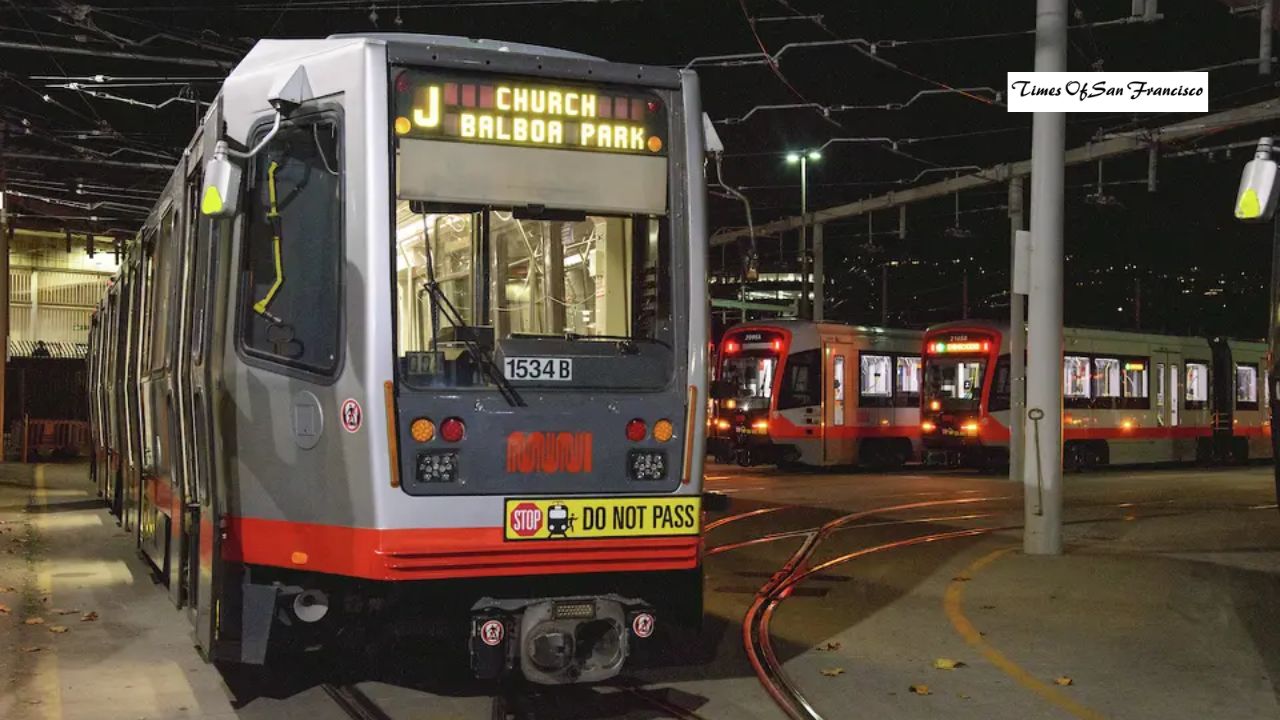
San Francisco city leaders are proposing a new parcel tax to prevent Muni from financial collapse. The tax, expected on the November 2026 ballot, aims to raise about $187 million each year to support the city’s bus and rail system.
Why the Tax Is Needed
Muni faces a $307 million annual deficit, which could grow to $434 million in five years. Without new funding, service cuts could severely impact the city’s public transit system. The parcel tax is designed as a “progressive” tax to spread costs fairly, sparing middle-class homeowners and small businesses while asking more from larger property owners.
How the Revenue Will Be Used
- $150 million to close Muni’s operating deficit
- $22 million to expand the transit system
- Remaining funds for administrative costs and senior fare exemptions
Mayor Daniel Lurie praised the San Francisco Municipal Transportation Agency for saving money through efficiency improvements and said the tax would protect residents from undue financial strain while keeping transit services running.
Tax Breakdown by Property Type
1. Single-Family Homes
Most homeowners (96%) with properties under 3,000 square feet would pay a flat fee of $129. Wealthier homeowners with larger estates on Billionaire’s Row would pay $99 for the first 3,000 square feet, 42 cents per additional square foot up to 5,000 square feet, and $1.99 per square foot above that.
2. Multifamily Homes
Owners of small apartment buildings under 5,000 square feet would pay $249 annually. Larger multifamily properties would pay the base $249 plus 30 cents for each square foot above 5,000, with a maximum cap of $250,000.
3. Commercial Buildings

Commercial property owners face the highest fees. Buildings up to 5,000 square feet would pay $799. Larger buildings would pay additional amounts per square foot based on size, with a maximum tax of $400,000 for the biggest properties.
Importance of the Tax
The parcel tax must work alongside a regional transit sales tax on the same ballot. If either measure fails, Muni may need to cut a third of its lines, leading to longer wait times and reduced transit access. Maintaining public transit is crucial for the city’s economy, downtown activity, and residents returning to work.
Conclusion
San Francisco’s proposed Muni parcel tax is a progressive measure designed to fund critical transit services while balancing the financial burden among residents and businesses. If approved by voters in November 2026, it could help ensure the city’s buses and trains continue to run efficiently and safely, supporting both commuters and the local economy.