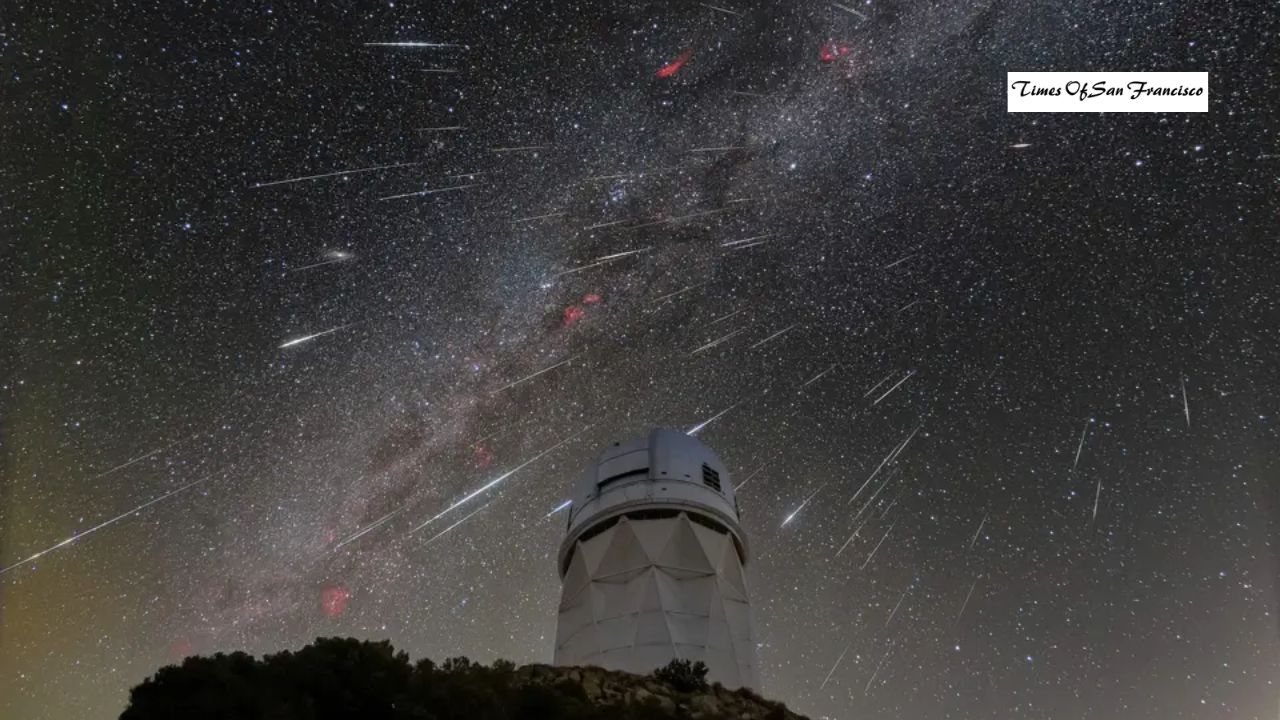
One of the year’s most dazzling meteor showers, the Geminids, will light up the Bay Area sky starting late Saturday night. Skywatchers can expect a spectacular show of “shooting stars” if weather conditions cooperate.
When and Where to Watch
The best viewing window is from 11 p.m. Saturday to 3:30 a.m. Sunday. Some meteors may be visible as early as 9 p.m., according to Gerald McKeegan, an astronomer at the Chabot Space and Science Center in Oakland.
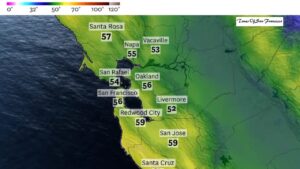
Thanks to a late-rising moon, the Bay Area sky will be dark, making it ideal for spotting the meteor streaks.
What to Expect from the Geminids
The Geminid meteor shower is one of the most active meteor showers of the year and could produce up to 120 meteors per hour. These meteors are particles from an ancient comet that orbit the sun every 1.5 years.
As the meteors burn up in the Earth’s atmosphere, they create bright streaks of light called “shooting stars.” The ionized air around each meteor adds to the glow, creating a spectacular display.
Tips for the Best Viewing Experience
- View the meteor shower with your naked eye; avoid binoculars or telescopes, which limit the view of the full sky.
- Find a spot away from city lights for darker skies and better visibility.
- Bring a blanket or reclining chair so you can comfortably watch the sky without straining your neck.
- Look up and scan the entire sky — meteors can appear in any direction.
Weather Considerations
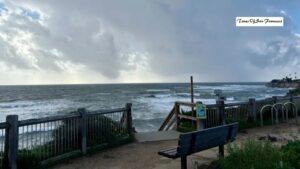
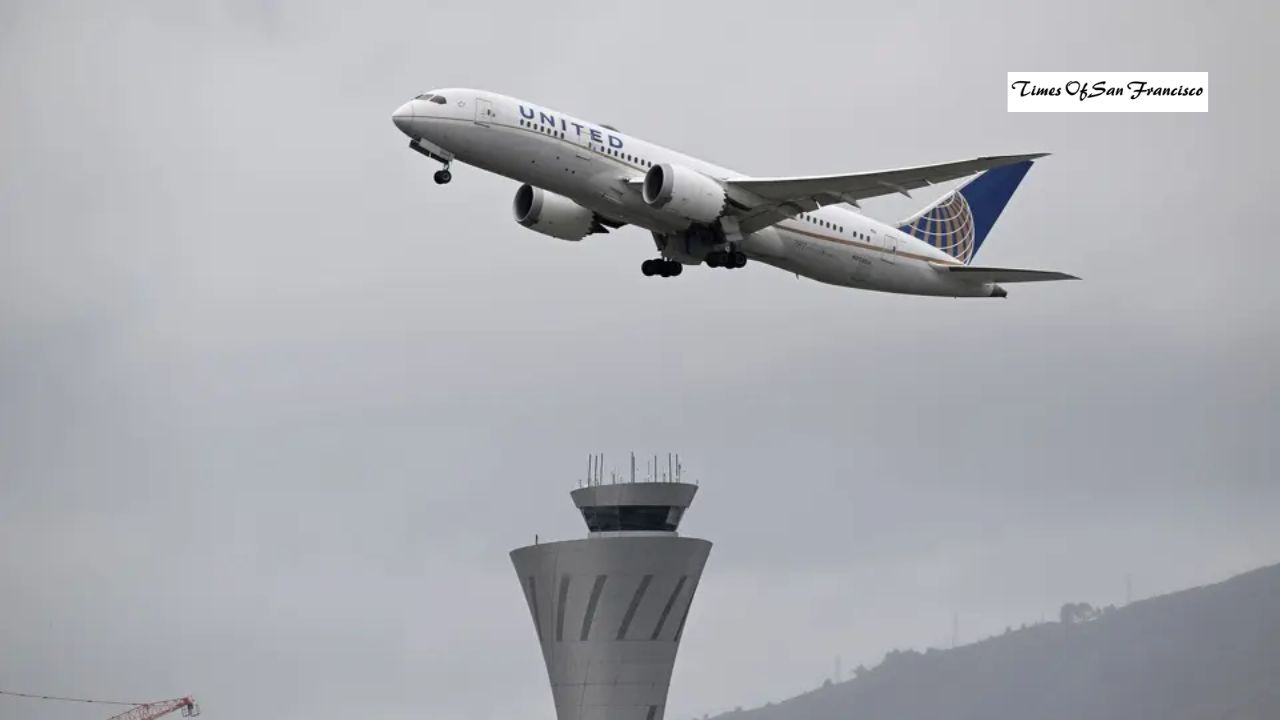
The National Weather Service forecasts patchy dense fog and clouds over the Bay Area tonight, which could affect visibility. Checking local conditions before heading out is recommended.
Share Your Photos
If you capture photos or videos of the Geminid meteor shower, you can share them with the San Francisco Chronicle at metro@sfchronicle.com along with your name for credit.
Conclusion
The Geminid meteor shower offers a rare opportunity to enjoy one of nature’s most spectacular light shows. With the moon rising late and potentially clear skies, it’s the perfect weekend to grab a blanket, head outside, and experience up to 120 shooting stars per hour over the Bay Area.