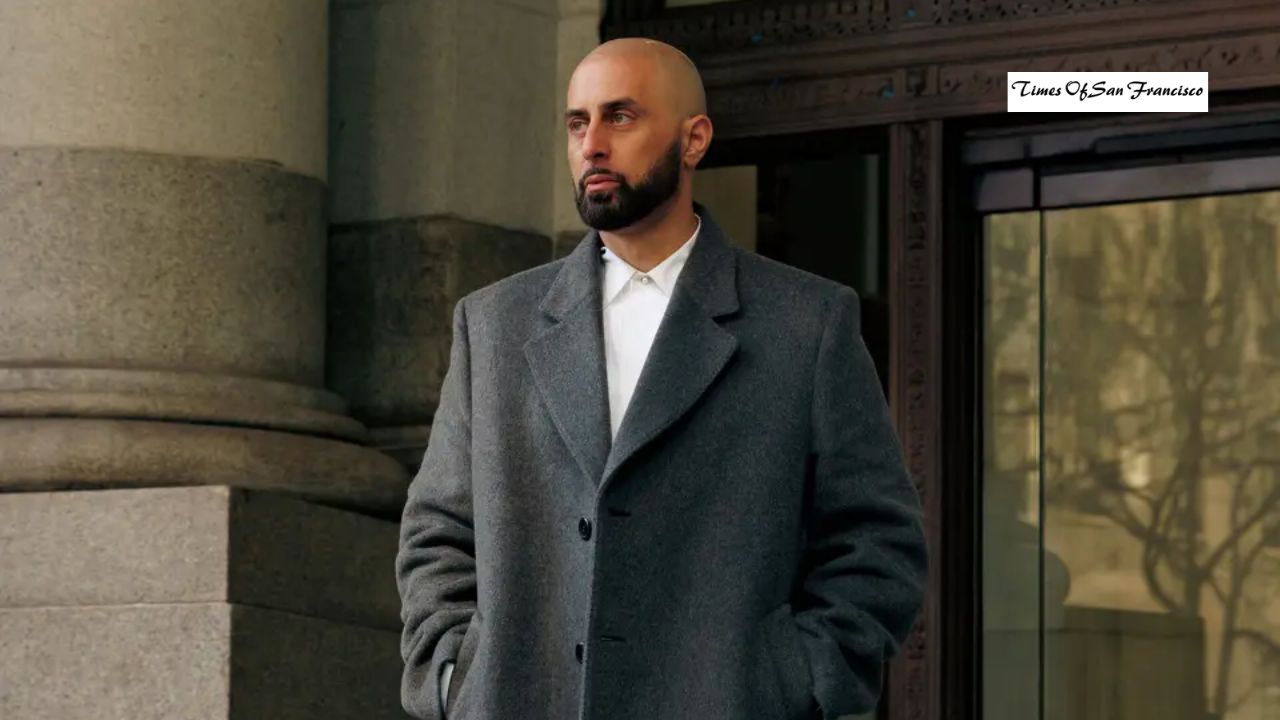
San Francisco has taken a major step toward reviving its downtown and Financial District, as Empire Records, one of the largest independent music labels in the United States, has received official approval to transform a long-vacant historic building into its global headquarters.
Empire Records Brings Music and Culture to the Financial District
The approval is a key win for Mayor Daniel Lurie’s plan to bring arts, culture, and creative industries back into the heart of downtown San Francisco. Empire Records, which represents world-famous artists like Kendrick Lamar and Shaboozey, plans to move its local workforce of about 150 employees into One Montgomery Street.

The building is a landmark 1908 former bank designed by architect Willis Polk. Empire Records purchased the property for approximately $24.5 million and plans to invest an additional $40 million to renovate it into a modern music headquarters.
What Empire Plans to Build
Empire’s vision goes beyond office space. The company aims to turn the historic building into a lively destination for music, food, and public events.
Key Features of the Project
- Offices located in the basement and second floor
- A full-service restaurant in one of the original banking halls
- Public and community events hosted inside the building
- Large music concerts held downtown each year
Empire also plans to use the rooftop and one of the banking halls primarily for private use, while still making them available for select public and community events.
Rooftop Space Controversy Explained

The most debated part of the proposal involved a privately owned public open space (POPOS) on the rooftop. Empire requested permission to close the rooftop to the general public, offering instead to host free concerts downtown.
Initially, the company proposed holding three free public concerts per year, each drawing at least 10,000 people. Supporters of the POPOS program raised concerns that approving the closure could encourage other building owners to limit public access.
However, city officials noted that the One Montgomery building was approved before the POPOS program existed, meaning it is not technically required to follow those rules.
Planning Commission Vote and Last-Minute Changes

The San Francisco Planning Commission initially deadlocked in a 3-3 vote, putting the entire project at risk. After a short recess, Empire Records made additional commitments:
- Increasing free public concerts from three to four per year
- Removing a clause that allowed the company to pay a fee instead of hosting events
These changes convinced two commissioners to change their votes, leading to final approval by a 5-1 vote. One commissioner voted against the project, citing concerns about closing public open space.
Safety Concerns Cited by Empire Records
Empire’s legal team emphasized that closing the rooftop was essential for safety reasons. The company said its employees and artists have faced repeated security threats, including robberies and a past shooting at a company studio.
Empire representatives said fans have also tried to force their way into offices, making security a serious concern.
The company stressed that protecting artists, employees, and guests is critical to operating safely in San Francisco.
Founder Ghazi’s Personal Commitment to San Francisco
Empire Records CEO Ghazi, who goes by one name, spoke passionately about his connection to the city. He described how Empire grew from a small office in Potrero Hill into a global company with locations in Los Angeles, New York, London, Nashville, Atlanta, and Johannesburg.
Ghazi said the new headquarters is about more than business.
“We are not just building offices,” he said. “We are creating a world-class destination for artists and bringing music and culture back to downtown San Francisco.”
He also said he wants to stop the city’s long-standing trend of losing talent to other regions.
“I am banking on San Francisco — I literally bought a bank,” Ghazi added.
City Leaders Say Project Will Revitalize Downtown
Supporters of the project said rejecting it would have gone against the city’s goal of reviving downtown after years of economic struggles and reduced office activity.
Planning commissioners said the project could help energize not just the building, but the surrounding area as well, by bringing workers, visitors, and events back into the Financial District.
Conclusion
The approval of Empire Records’ global headquarters marks a major moment for downtown San Francisco. By blending music, dining, and public events inside a historic building, the project aims to bring new life to the Financial District. City leaders hope this investment will attract more creative businesses and help restore downtown as a vibrant cultural and economic center.