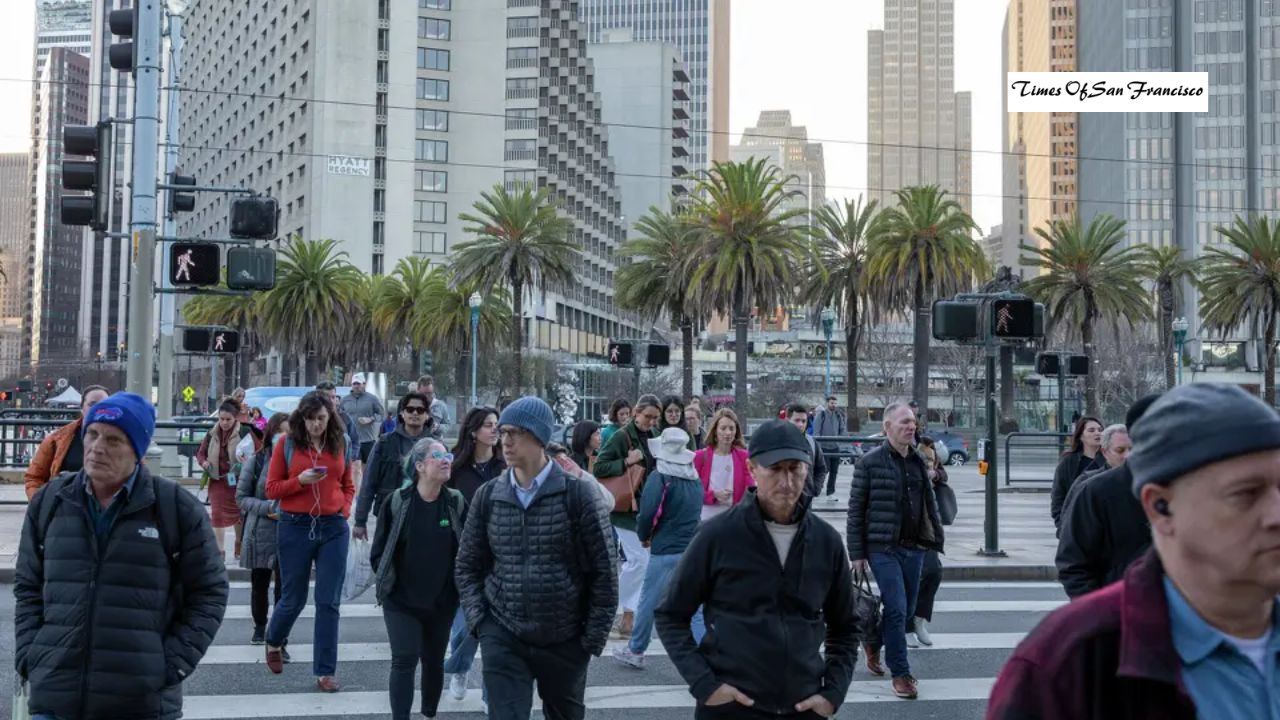
The San Francisco Bay Area and nearby regions are experiencing an unusually cold start to December. Many cities are seeing their lowest December temperatures in decades.
Current Cold Conditions
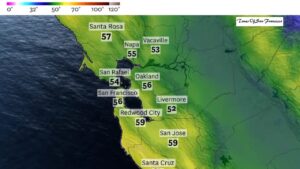
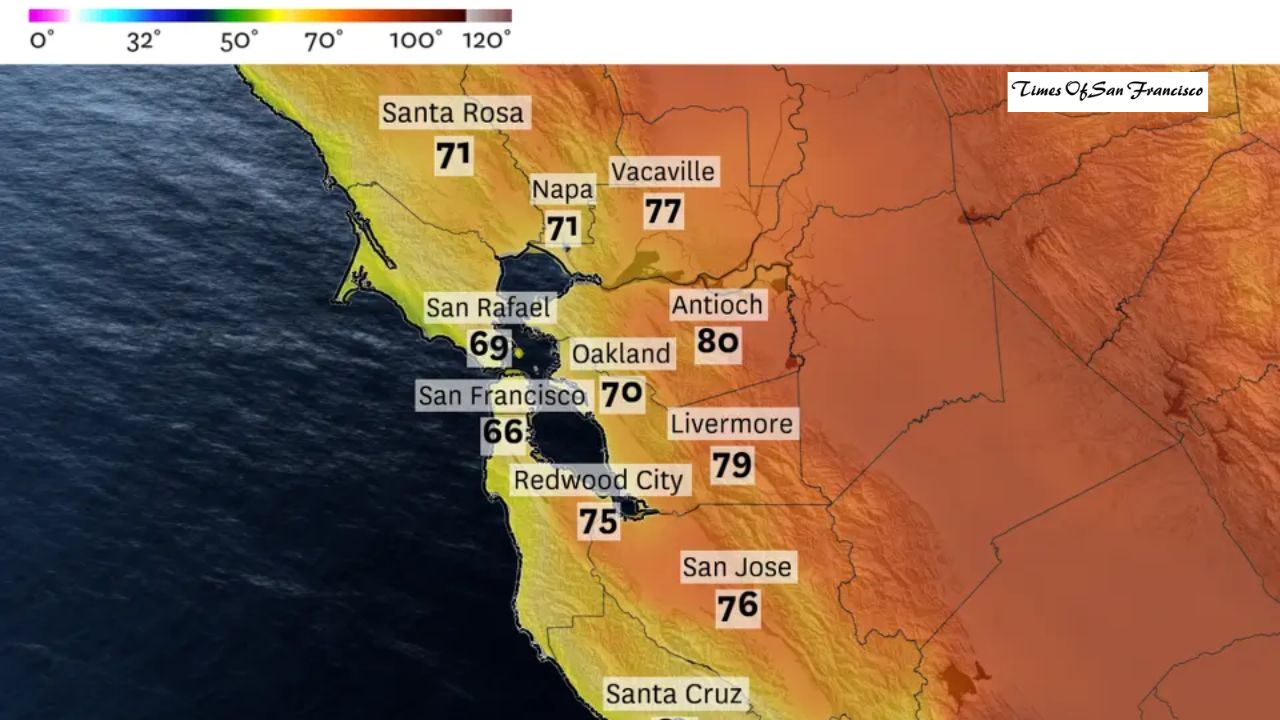
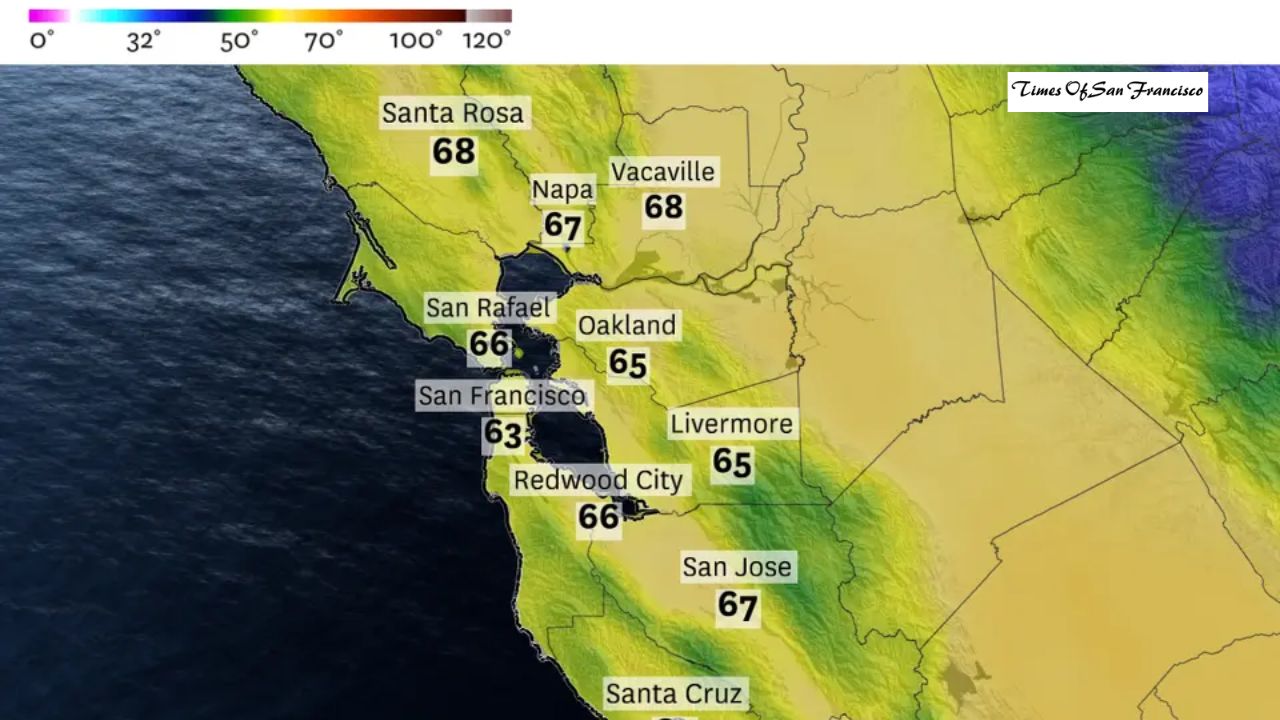
San Francisco’s maximum daily temperatures are running nearly 4 degrees below normal this month. It’s the coldest December start for the city since 2013. Other parts of the Central Valley, North Bay, and East Bay are even colder, with some locations seeing temperatures not felt in 50 years.
The Role of Tule Fog
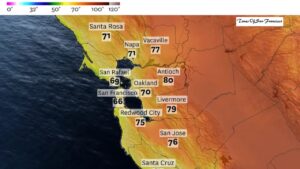
The main cause of this cold spell is a persistent layer of tule fog. This dense fog formed over the Central Valley after recent rains and has spread westward toward the Bay Area. Unlike the oceanic fog that San Francisco is famous for in summer, tule fog forms over land and thrives in calm, clear nights.
Tule fog can linger for days or even weeks, keeping temperatures low and creating chilly mornings and afternoons in affected areas. It also traps pollutants near the ground, leading to poorer air quality.
Temperature Inversion Keeps It Cold
This cold spell is reinforced by a temperature inversion, where cold, dense air is trapped below warmer air above. The weak winter sun and calm winds make it difficult for the fog to lift, prolonging the chilly conditions. Areas without fog, like Tahoe, Big Sur, Santa Cruz, and Monterey, have been much warmer.
How Long Will the Cold Last?
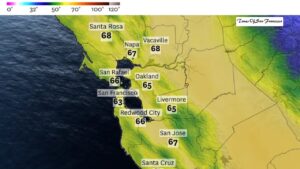
The cold pattern is expected to continue through mid-December. Some slight warming may occur in the North Bay, East Bay, and San Francisco over the weekend as the fog edges thin. However, Sacramento and Fresno will likely remain overcast and chilly. Predicting whether the fog will last through the end of the month is difficult.
Notable Historical Comparisons
This is one of the foggiest and coldest December periods for the Central Valley since January 2011, and similar foggy conditions were also recorded in December 2021 after a wet fall. Such events are rare in spring because the higher sun angle quickly burns away fog.
Conclusion
The Bay Area and Central Valley are experiencing a classic California winter pattern caused by tule fog and temperature inversions. While coastal and southern areas enjoy milder weather, much of the inland region will remain cold and foggy for at least the next week. Residents should dress warmly, monitor air quality, and prepare for continued chilly mornings and overcast days.