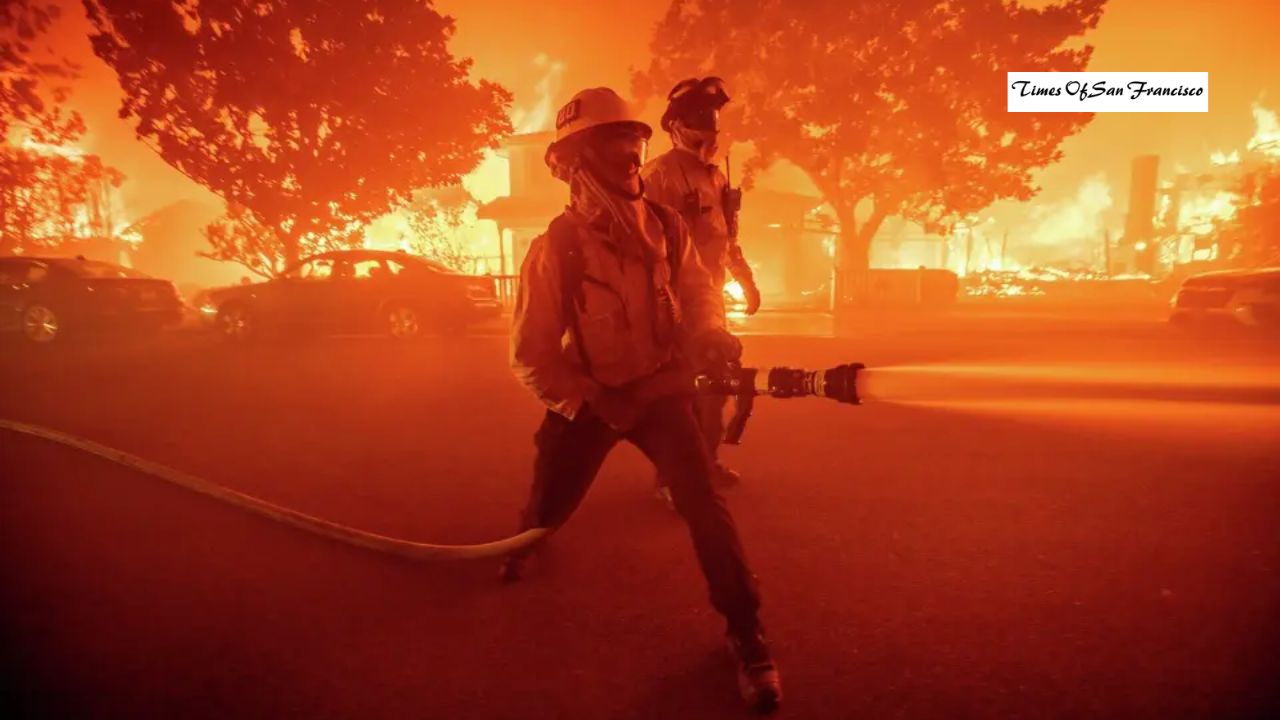
California officials have postponed new rules that would require nearly 2 million homeowners in high-risk wildfire areas to remove plants and other flammable materials near their homes. The rules are intended to create a safety buffer and reduce fire risks.
Why the Delay?
The California Board of Forestry and Fire Protection now plans to finalize the rules in the first half of 2026. The board will resume work in March to define “zone zero,” the area immediately around homes that must be cleared of combustible materials. At the earliest, the rules would apply to existing homes in 2029.

A 2020 state law initially required the board to set the rules by January 1, 2023. After delays, Governor Gavin Newsom issued an executive order to restart the process following the Los Angeles wildfires.
“It’s better to spend the time to get this right,” said Tony Andersen, the board’s executive officer. “Urgency is important, but accuracy and safety are more important than a strict timeline.”
Public Feedback and Controversy
The proposed zone zero rules have faced resistance, especially in areas like Berkeley, where residents want to preserve gardens that provide shade, habitat, and environmental benefits. Despite concerns, Berkeley’s City Council approved the rules this summer, set to take effect on January 1, 2026.

Over the past months, the board held around a dozen workshops, nearly 100 meetings, and reviewed almost 6,000 public comments. Andersen said the feedback ranged from criticism to full support.
Draft Versions of the Rules
The board has drafted four versions for vegetation and two for trees. One strict option would ban most flammable landscaping except small potted plants placed away from walls, windows, and vents. A more moderate approach focuses on clearing only dead or dying plants, allowing healthy vegetation.
“We also need to consider implementation, cost, and feasibility for homeowners,” Andersen said. The board plans to focus on an education-first approach before enforcing the rules. Specific penalties for noncompliance are still being developed.
Conclusion

The delay in California’s wildfire rules highlights the challenges of balancing fire safety with homeowners’ interests. While the rules aim to protect properties from fires, officials want to ensure they are fair, practical, and effective before implementation. Homeowners in high-risk areas should stay informed and prepare for the new regulations in the coming years.