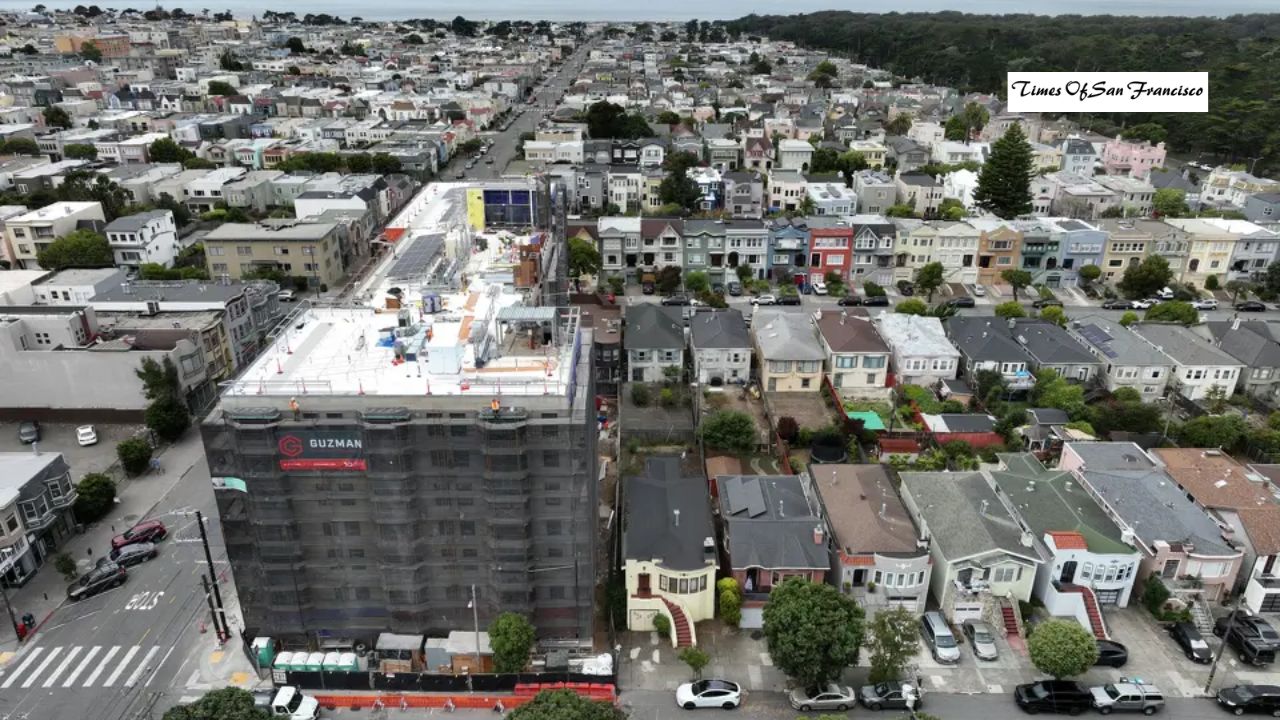
San Francisco Mayor Daniel Lurie has achieved his biggest legislative win with the approval of his “Family Zoning” plan. The policy, passed after years of debate, will allow taller and denser housing in several neighborhoods that have historically blocked new development. These areas include parts of North Beach, the Marina, and the Sunset.
What Is the Family Zoning Plan?
The Family Zoning plan is designed to increase housing options for families by allowing more multi-story buildings in areas typically dominated by smaller homes. It aims to help San Francisco meet its state-mandated housing goals and ease the city’s severe housing shortage.
A Three-Year Debate

The rezoning effort began under former Mayor London Breed, but Mayor Lurie pushed the plan forward with renewed energy. He spent months attending neighborhood meetings and town halls to explain the plan to skeptical residents.
The Board of Supervisors approved the plan in a 7–4 vote after a heated and unusually tense debate.
Why the Plan Needed to Pass
San Francisco faced a deadline of January 31 to pass the new zoning rules. If the city missed that deadline, it risked losing local control over land-use decisions and losing state funding for housing and transportation. Supporters used this urgency to stress the importance of passing the plan.
Areas Included in the New Zoning

The plan rezones about 60% of San Francisco, except for the eastern and southern neighborhoods like Downtown, the Mission, Bayview, and Potrero Hill—areas that already have seen major development.
- Height limits raised: From 65 feet to 85 feet along busy Muni corridors such as Judah, Noriega, and Taraval.
- North Waterfront: Allows 6–10 story buildings near Fisherman’s Wharf.
- Marina District: Up to 16-story towers along parts of Lombard Street.
How Supervisors Voted
Supervisors Who Supported the Plan
Myrna Melgar, Matt Dorsey, Stephen Sherrill, Danny Sauter, Rafael Mandelman, Bilal Mahmood, and newly sworn-in Alan Wong voted in favor.
Supervisors Who Opposed the Plan
Connie Chan, Chyanne Chen, Shamann Walton, and Jackie Fielder voted against it, citing affordability and equity concerns.
The Debate: Will Homes Be Demolished?

A major point of conflict was whether the new zoning would lead to more demolitions of rent-controlled housing. The Planning Department said it does not expect an increase, noting that rent-controlled units already have strong protections.
Supervisor Mahmood criticized claims that 20,000 homes would be demolished, calling the argument “fear-mongering” and “not true.”
How Many Homes Could Be Built?
The city’s goal is to permit 82,000 units by 2031. The Family Zoning plan was initially expected to allow 36,000 new homes. However, the city’s chief economist now estimates the plan will likely result in around 14,600 units over 20 years—about 732 units per year.
But even with the zoning changes, experts say that high construction costs, high interest rates, and low developer confidence may slow actual building.
Mixed Response From Housing Groups
Supporters
Pro-housing organizations like YIMBY Action, Abundant San Francisco, and Housing Action Coalition supported the plan. They spent months campaigning, hosting events, and canvassing to rally support from residents.
Opponents
The Race & Equity in All Planning Coalition opposed the plan, warning it could speed up tenant displacement and small-business losses. They called it a “dangerous upzoning plan.”
Legal Challenges Ahead?
Even with its passage, the plan may face legal battles. Two state pro-housing groups signaled they may sue San Francisco because they believe the rezoning does not go far enough to spur new home construction.
What Happens Next?
Lawmakers say more work is coming. Future steps may include:
- Finding more funding for affordable housing
- Additional zoning updates in other neighborhoods
- Streamlining permits to reduce delays
Supervisor Mandelman stressed that “this is not the end of the story.”
Conclusion
The approval of Mayor Lurie’s Family Zoning plan marks a major shift in San Francisco’s housing strategy. While it does not solve the entire housing crisis, it lays the foundation for future growth and more family-friendly neighborhoods. The next challenge will be turning zoning changes into real homes—something that depends on developers, the economy, and continued political commitment.